



Blog
Think You Have 2FA with Okta FastPass on Desktop? There’s a 90% Chance That You’re Not Compliant – Especially If BYOD Is Not Allowed
This article focuses on Okta FastPass, but the same principles apply to other desktop-based passwordless authentication methods as well. 1. Windows Hello Is Not 2FA Windows Hello lets users unlock their devices using either a biometric (fingerprint or face) or a PIN. These are alternatives – not layers. So, by design, Hello is single-factor authentication…Why Phone-Free 2FA Is No Longer Optional
In a world where cybersecurity compliance is tightening and digital workforces are diversifying, companies are finally waking up to a long-overlooked reality: 2FA based on personal mobile devices is no longer sustainable. Whether it’s the rise of privacy regulations, employee pushback, or mounting compliance mandates, phone-free 2FA is now a must-have. 1. Regulations Are Forcing…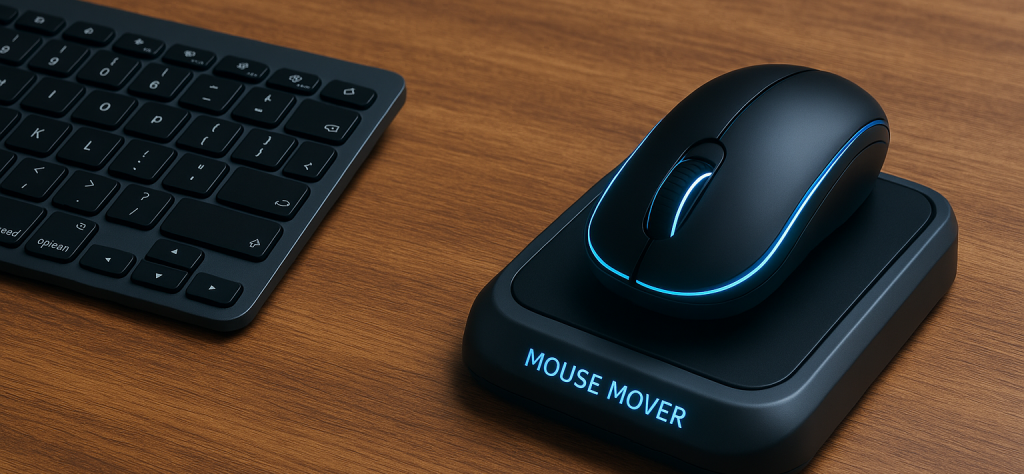
Ending Fake Remote Work: How TypingDNA ActiveLock Beats Mouse Jigglers
Remote work provides unprecedented flexibility, allowing employees to work from anywhere. However, it also introduces significant challenges for employers in accurately verifying productivity and ensuring security. Recently, devices and software called mouse movers, also known as “mouse jigglers”, have become widely used among remote workers seeking to simulate activity. In this article, we’ll dive into…PCI DSS 4.0: Why Businesses Must Act Now & How TypingDNA Ensures Compliance
As PCI DSS 4.0 takes full effect, organizations, especially Business Process Outsourcing (BPO) companies, must upgrade their security measures to remain compliant. The new standard mandates stricter security controls, including Multi-Factor Authentication (MFA) for all employees, not just administrators, as well as enhanced logging, monitoring, and continuous authentication to prevent unauthorized access. Traditional security approaches,…Introducing TypingDNA ActiveLock 3.5 Fortress: Redefining Continuous Endpoint Authentication with Dual-Layer Security and Revolutionary AI
TypingDNA ActiveLock is a cutting-edge continuous authentication solution designed to enhance computer security by analyzing typing patterns. Unlike traditional authentication methods that only verify identity at login, ActiveLock continuously ensures that the right person is using the device. If an unauthorized user is detected, the system automatically locks the screen, preventing access and protecting sensitive…Using the SameText method with TypingDNA Authentication API
What is the SameText method and how to use it? At TypingDNA, we have two main ways of comparing typing patterns: SameText and AnyText. These options exist because TypingDNA technology is used in different situations. SameText requires that each new typing pattern is collected on exactly the same text as the previously saved patterns. This…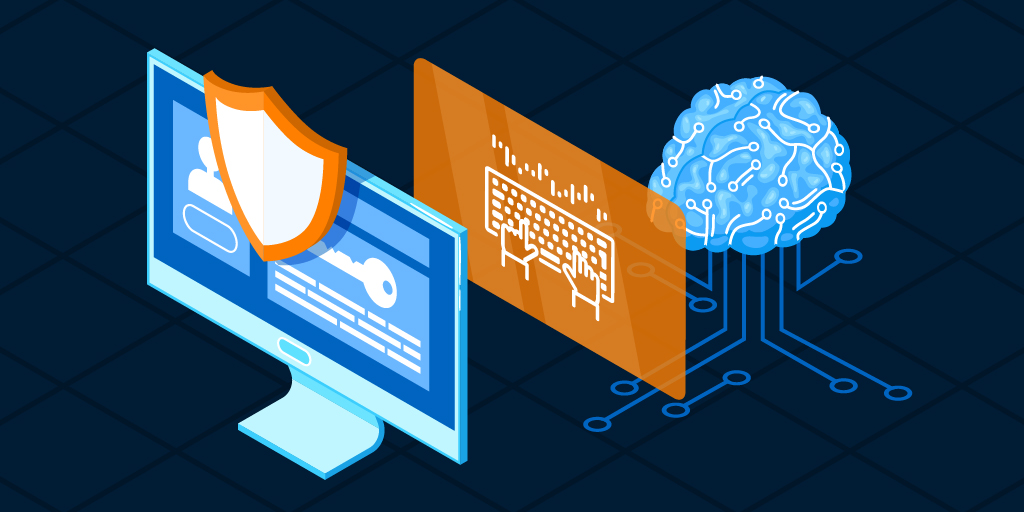
TypingDNA achieves breakthrough accuracy with new AI engine – typing biometrics now rival fingerprint and face recognition
At TypingDNA, we’ve always been committed to pioneering secure and user-friendly authentication methods. Today, we’re excited to announce a groundbreaking advancement of our Cloud products (Authentication API and Verify 2FA) powered by a new AI engine. This breakthrough not only elevates our technology to new heights but also positions typing biometrics as a viable alternative…
TypingDNA Now Integrates with Ping Identity’s PingOne DaVinci to Enable 2FA without a Phone, Authenticating Users with Typing Patterns
[New York/4th December 2024] — TypingDNA, announced a new integration with Ping Identity, a leader in securing digital identities for the world’s largest enterprises, leveraging PingOne DaVinci™, a no-code identity orchestration service. The DaVinci Connector will enable organizations to rely on TypingDNA Verify 2FA instead of phone-based methods, whenever 2FA/MFA is required and a phone…